Aircraft
The F-35 Lightning II: What the Design Actually Optimises For
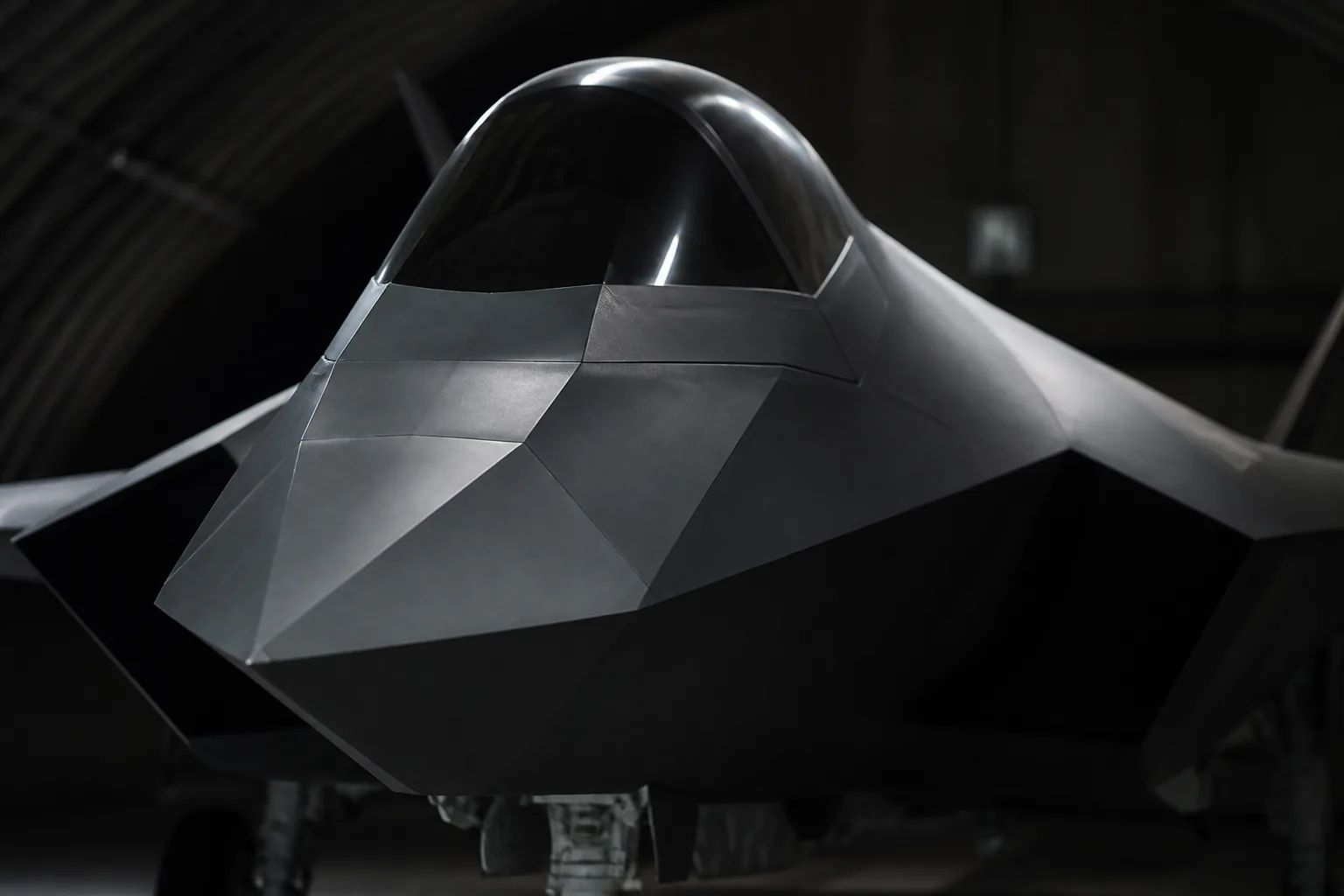
The F-35 is discussed more than any other current military aircraft and usually against the wrong standard. Assessed as a manoeuvring fighter it looks like a set of compromises. Assessed as what it was designed to be — a low-observable sensor platform that shares what it sees and carries weapons internally — the decisions become coherent, including the unpopular ones.
What the design prioritises
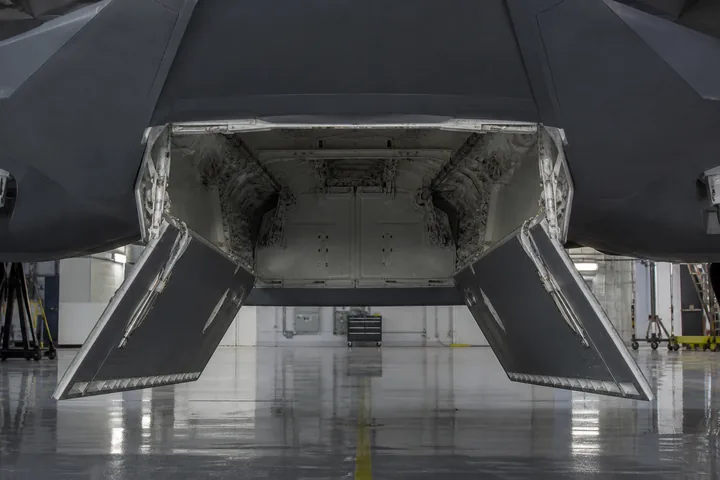
Signature over agility. The shaping, the internal weapons carriage and the surface treatment all exist to reduce detectability. Every one of them costs something an unconstrained fighter design would keep: internal bays reduce the weapons load relative to external pylons, and the shaping constrains the aerodynamics.
The reasoning is that a modern engagement is decided by detection instead of by manoeuvre. An aircraft that sees first and is seen late does not need to out-turn anything.
Fusion over instrumentation. Radar, electro-optical and electronic-warfare sensors feed one combined picture rather than several displays for the pilot to reconcile. The workload reduction is the point, and it is a larger change than it sounds, interpreting several sensor feeds under time pressure is where a great deal of pilot capacity used to go.
The formation as the unit. That picture is shared between aircraft. Four aircraft with distributed sensors build a common understanding of the airspace that no individual aircraft could produce. Capability at formation level rather than at airframe level is the design’s central claim.
The three-variant decision
Three services needed a new aircraft with three different basing requirements: conventional runway, carrier operations with catapult and arresting gear, and short take-off with vertical landing from small decks.
Sharing one design across all three was intended to spread the development cost. The commonality achieved was lower than projected, and (the more consequential result) accommodating the vertical-landing variant’s lift system shaped the fuselage cross-section that the other two variants also carry.
This is the honest core of the criticism, and it is a criticism of the programme structure rather than of the aircraft. Whether the saving justified the constraint is a genuine argument with informed people on both sides.
Where the cost actually sits
Purchase price receives the attention and sustainment cost matters more over a service life measured in decades.
A low-observable aircraft has maintenance requirements a conventional one does not: coatings and panel fits that produce the signature have to be maintained, and that work is labour-intensive and specialised. Cost per flying hour is therefore structurally higher, and estimates have moved repeatedly as the fleet has accumulated hours.
The figure that determines how much of the fleet actually flies is the sustainment figure, not the acquisition figure, which is the general point about air forces and is unusually sharp here.
What is settled and what is not
Settled: the sensor fusion and information-sharing capability is real and is what operators consistently identify as the aircraft’s actual advantage. The airframe is not optimised for close manoeuvring combat, by design.
Not settled: whether the assumption underlying the whole design (that detection decides engagements) holds across the range of conflicts the aircraft will be used in, and whether the three-variant structure was worth what it cost. Both are argued seriously and neither will be resolved by argument.
The aircraft’s most argued-over feature is the one hardest to see. Sensor fusion means the pilot is handed a conclusion rather than a set of readings, which is an advantage when the conclusion is right and a harder failure to notice when it is not. Training for that is different from training to fly, and it is where much of the type’s conversion effort actually goes.
Questions and answers
Why is one aircraft built in three versions?
Because three services needed an aircraft and each had a different basing constraint: a conventional runway, a carrier catapult and arresting gear, and short take-off with vertical landing from a small deck. Sharing a design was intended to spread development cost across all three. The commonality achieved was lower than planned and the constraint of accommodating the vertical-landing variant shaped the airframe the other two inherited, which is the substance of most criticism of the programme.
Is it a poor dogfighter?
It is not optimised for close-in manoeuvring combat, which its designers state openly. The design assumes engagements are decided earlier, by whoever detects and identifies the other first, and it invests in sensors, signature reduction and information sharing rather than in turn rate. Whether that assumption holds in every conflict is a real argument; judging the aircraft against a requirement it was deliberately not built for is not.
What does the sensor fusion actually do?
It combines returns from radar, electro-optical and electronic-warfare sensors into one picture presented to the pilot as a single set of tracks as opposed to as several instrument readings to reconcile. It then shares that picture with other aircraft. The practical effect is that a formation can build a common understanding of the airspace from distributed sensors, which is a capability at formation level instead of at aircraft level.
Why is the sustainment cost so contested?
Because cost per flying hour on a low-observable aircraft includes maintaining the coatings and panel fits that produce the signature, which is labour-intensive and has no analogue on a conventional airframe. Estimates have moved repeatedly as the fleet accumulated hours, and the figure matters more than the purchase price over a decades-long service life.