Military families
Military Housing: On Base or on the Local Market
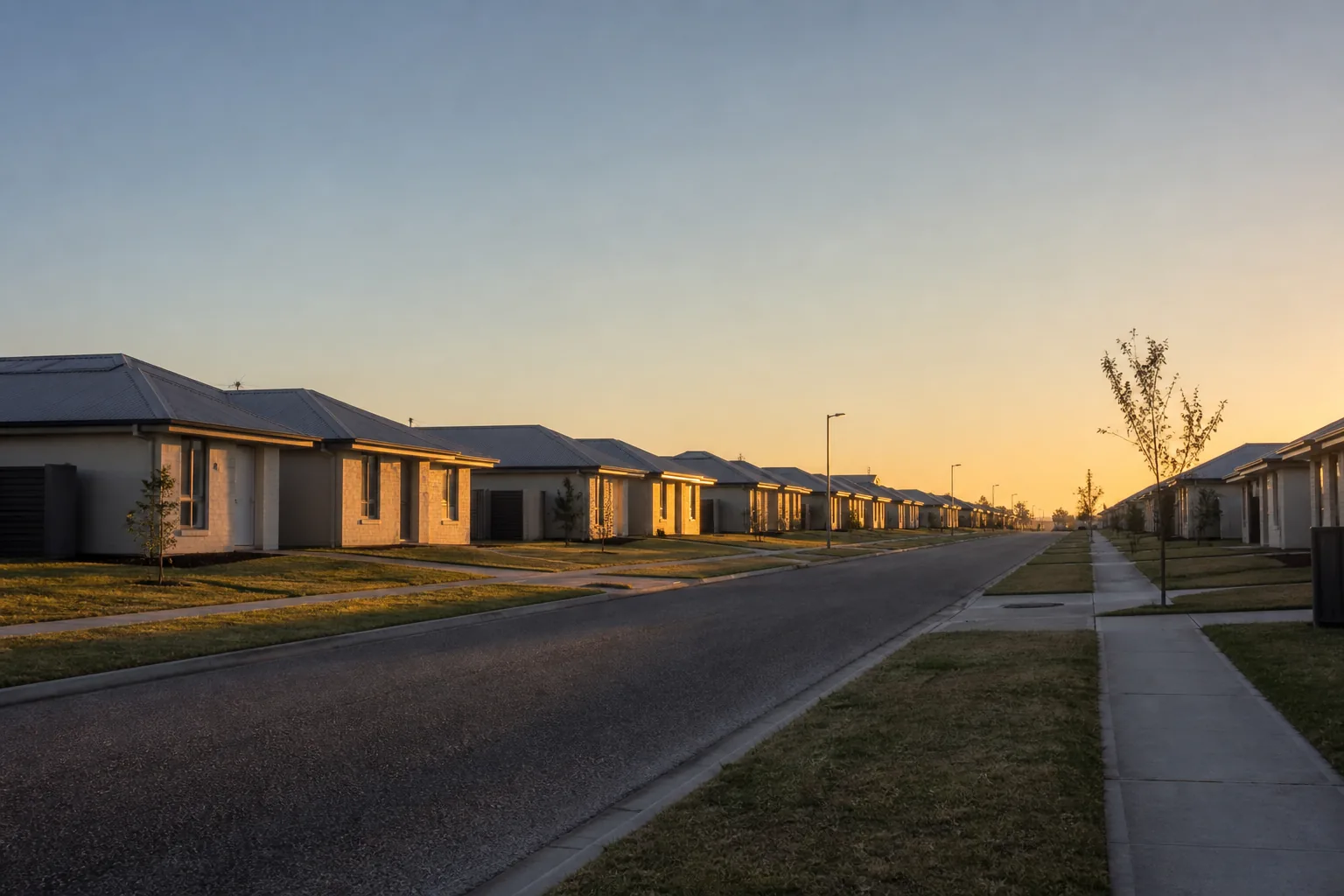
The choice between government quarters and a local lease looks like a lifestyle question (community and convenience against space and independence), and it is really a financial one, because the two options are not additive. Taking quarters means forgoing the housing allowance in full. Everything else follows from that single fact.
The comparison that actually decides it
On base: no rent, no allowance. Utilities are usually included or capped. The commute is short. The housing is what is available in the size band you qualify for, when it becomes available.
Off base: the allowance is paid, and rent, utilities, deposits and commuting come out of it. Anything left over is kept; anything short is paid from other income.
So the question is arithmetic: what does adequate housing for this household cost in this local market, against the allowance for this grade and dependency status at this location? Where the local market is expensive relative to the allowance (which is common near high-cost installations) quarters are usually the better deal. Where it is cheap, a member can rent comfortably for less than the allowance and keep a real monthly surplus.
Three adjustments people leave out and should not. Utilities, which are frequently included in quarters and never in a lease. Commuting, in both money and time, which is the largest hidden cost of a cheap rental thirty miles out. And deposits and moving costs at both ends of the lease, which recur every two to three years and are not trivial.
What the arithmetic does not capture
Proximity. Living on base means a short commute, and during a high-tempo period or a deployment work-up that is worth more than it looks on paper. It also means the household is inside the community that absorbs a deployment: neighbours in the same situation, childcare that understands the schedule.
Housing condition. Quarters vary enormously by installation, and the private operators who run most of them have been the subject of sustained criticism over maintenance. This is not a question that can be answered generally; it can be answered specifically by asking current residents at that installation, which is the single most useful thing to do before deciding.
Space and independence. Quarters are allocated by entitlement band, so the size is determined administratively instead of chosen. Off base, the household chooses, within the allowance.
Spouse employment. An off-base location can be chosen for its labour market or its schools. Quarters cannot. Where a spouse’s career is a live consideration this frequently decides the question on its own.
The waiting list, and one piece of practical advice
Waiting times run from immediate to more than a year, depending on the installation, the size of quarters and current demand. Position on the list is usually set from the date of the assignment order instead of from arrival.
That makes the sequence obvious and it is regularly got wrong: join the waiting list as soon as the assignment is known, even if you intend to rent. Declining later costs nothing. Joining late costs months, and a family that decides after six months in an expensive rental that quarters would have been better starts the wait from that point instead.
Two recurring mistakes
Treating the allowance as the housing budget. It is intended to cover a defined share of typical local costs, not all of a chosen lease, and it is paid whether or not it is spent on housing. A household that rents to exactly the allowance has budgeted nothing for utilities or commuting.
Forgetting the next move. Whatever is decided, it will be decided again in two or three years. That argues for lease terms that end sensibly, for not over-committing to a property, and for keeping the document set (references, deposit records, inspection reports) because the next application will want them.
Questions and answers
Do you still get the housing allowance if you live on base?
No. Government quarters are provided in place of the allowance, not in addition to it, which is the fact that turns the choice into a financial comparison. Living on base means housing costs nothing directly and the allowance does not appear; living off base means the allowance appears and rent, utilities and commuting come out of it.
Is base housing cheaper?
It is neither cheaper nor more expensive in a simple sense, because the comparison is the allowance against the total off-base cost. Where local rents are high relative to the allowance, quarters usually win. Where they are low, a member can often rent for less than the allowance and keep the difference. Utilities, commuting distance and the condition of available quarters all move the result.
How long is the wait for base housing?
It varies from immediate to a year or more depending on the installation, the size of quarters needed and current demand, and the waiting list position is normally established from the date of the assignment order rather than from arrival. Joining the list early is therefore worth doing even while intending to rent, because it costs nothing to decline later.
Who is responsible for maintenance in base housing?
At most installations housing is operated by a private partner under a long-term arrangement rather than directly by the service, so maintenance requests go to that operator. Standards have been the subject of sustained criticism and vary considerably between installations, which is a strong argument for asking current residents rather than reading the brochure.