Special Operations
Special Operations: Selection, the Units and What SOCOM Does
Special operations forces are small, expensive and slow to replace. Selection exists to find judgement under stress, not the fittest applicants.
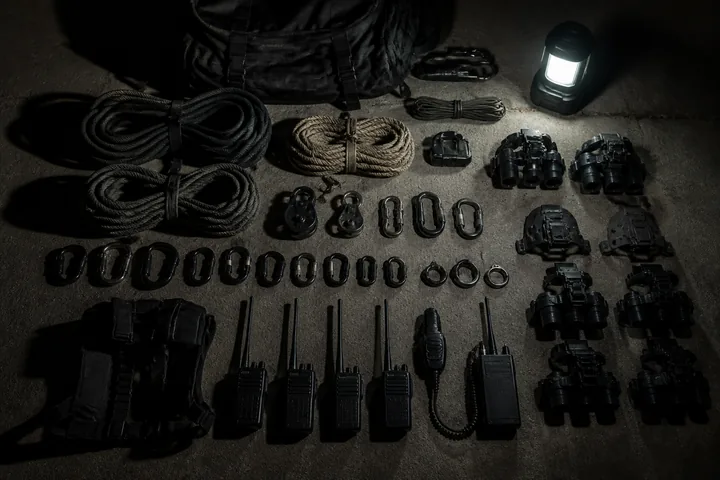
Special operations forces are small, expensive per person, and take years to produce. Understanding them means understanding what they are for, and the answer is not simply “the hardest missions”: it is a set of tasks conventional forces are structurally unsuited to, plus a set of tasks that require being very good at something very specific.
What SOCOM is
United States Special Operations Command, established in 1987, is a functional combatant command instead of a service. It organises, trains and equips special operations forces drawn from every service and provides them to the geographic combatant commands who employ them.
The command was created after a period in which joint special operations had gone badly, most prominently the failed 1980 Iran hostage rescue, and the inquiries into those failures identified the same causes repeatedly: units from different services that had never trained together, incompatible communications, no single commander, and no standing organisation to fix any of it. SOCOM exists to be that standing organisation.
The two broad kinds of work
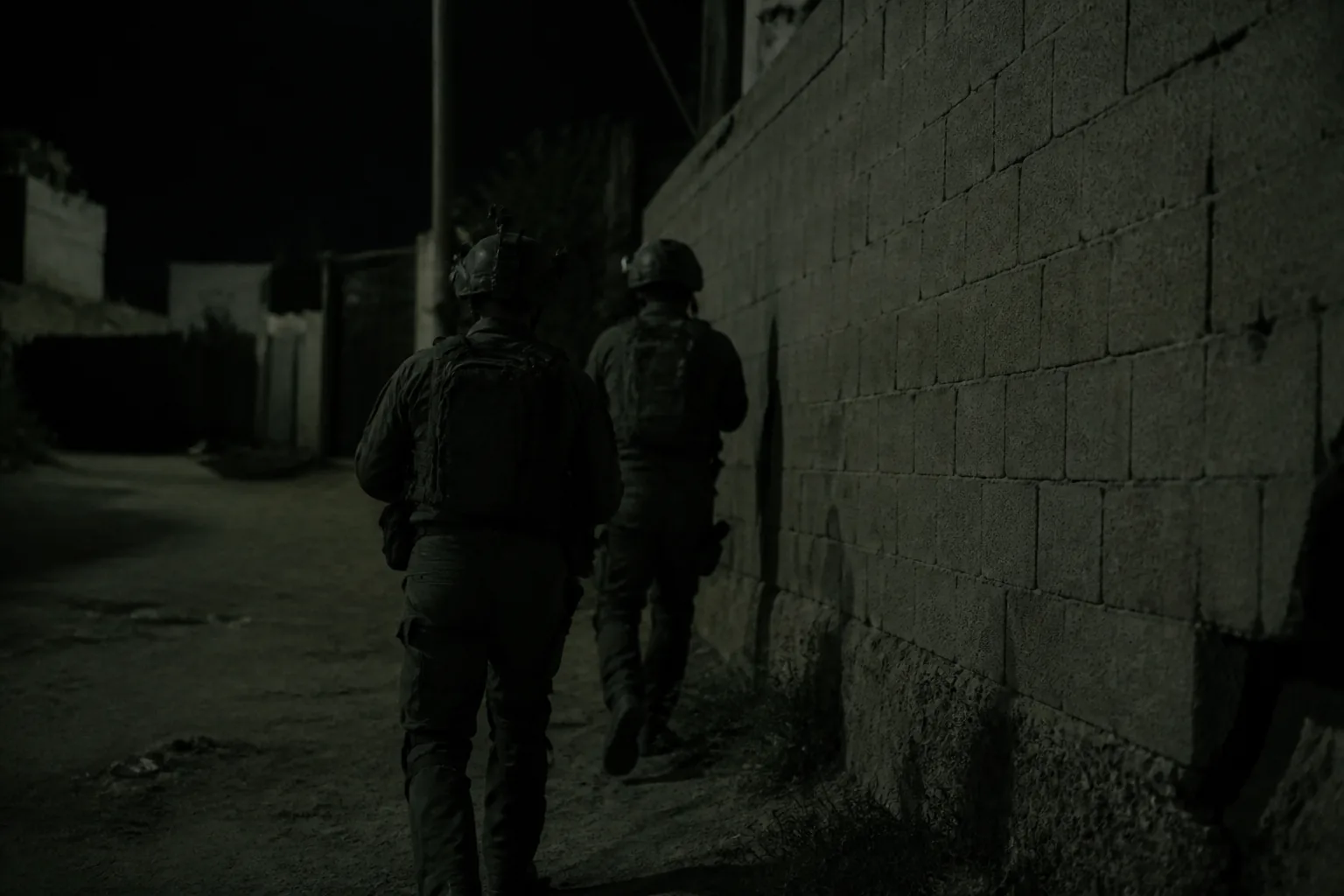
Direct action is short and offensive: raids, recovery of hostages or isolated personnel, seizure of a specific objective, precision strikes. It is what most public depiction covers, it is measured in hours, and it needs people who can execute a complex plan flawlessly at night in an unfamiliar building.
Special warfare is long and indirect: living and working with partner forces, training them, advising them, and operating alongside them, often in small teams, often for months, frequently in the partner’s language. It is measured in years, it is far less visible, and it requires cultural and linguistic competence alongside military skill.
Both live inside SOCOM and they call for different people. The second is harder to build, harder to measure, and is the capability most often cited as the community’s real strategic contribution.
What selection is for
Every selection course begins with candidates who are already fit, because the fitness bar is published and applicants train for it. Selection therefore is not primarily a fitness test.
What it tests is judgement under accumulated stress: whether a candidate keeps navigating accurately, keeps making sound decisions, keeps functioning as part of a team and keeps volunteering effort after days of sleep deprivation, cold, hunger and uncertainty. Attrition is high among people who could easily pass any physical standard, and that is the course working as intended.
The reason the bar is set there is operational. A team operating without support, far from help, in someone else’s country, is making consequential decisions with incomplete information and no one to ask. The trait that predicts success in that situation is not strength.
Why the force cannot simply grow
This is the most consequential fact about special operations and the least intuitive.
The constraint is the pipeline. Selection deliberately fails most candidates. Training after selection takes years, including language training for some units. And the people qualified to run selection and training are the same experienced operators who are in demand for deployment — so expanding the training capacity draws down the operational capacity.
The result is that demand for special operations forces has repeatedly exceeded supply, and the only ways to close the gap are to lower the standard, which destroys the reason the force is valuable, or to use conventional forces for tasks they can in fact do. The second is the correct answer and is consistently harder to sell.
Where it can go wrong
Two failure modes recur in the literature and in inquiries.
Overuse. A capability that always says yes is used for everything, including tasks a conventional unit could do. Operational tempo then degrades training, family stability and eventually judgement.
Detachment. Units that operate under different rules, with separate command channels and less visibility, can drift from the standards the rest of the force is held to. Every serious examination of special operations discipline problems reaches some version of that finding, and the response has consistently been more oversight instead of less autonomy.
Where to go next
Questions and answers
What is SOCOM?
United States Special Operations Command: a functional combatant command established in 1987 that organises, trains and equips special operations forces from every service and provides them to the geographic combatant commands. Each service also has its own special operations component under it.
What does selection actually test?
Judgement and decision-making while exhausted, far more than raw fitness. Candidates arrive fit; what separates them is whether they keep thinking, keep navigating, keep working with a team and keep making sound calls after days without sleep. This is why attrition is high among people who are physically capable.
Why can special operations forces not simply be expanded?
Because the constraint is the pipeline, not the budget. Selection deliberately fails most candidates, training takes years, and the experienced operators who train the next generation are the same people who are deployed. Expanding faster than the pipeline allows means lowering the standard, which removes the thing that made the force useful.
What is direct action versus special warfare?
Direct action is short-duration offensive work: raids, recovery of personnel, precision strikes. Special warfare is long-duration work with and through partner forces: training, advising and operating alongside foreign units. Both exist inside SOCOM and they need different people, different training and different timelines.
Is special operations the same as being elite infantry?
No. Some units are, in effect, exceptionally capable light infantry. Others exist for tasks conventional forces cannot do at all: long-duration work with partner forces in small teams, in languages the team speaks, with no support nearby. The second category is why the community exists and it is the harder capability to build.