
PCS
PCS: What a Permanent Change of Station Covers and Costs
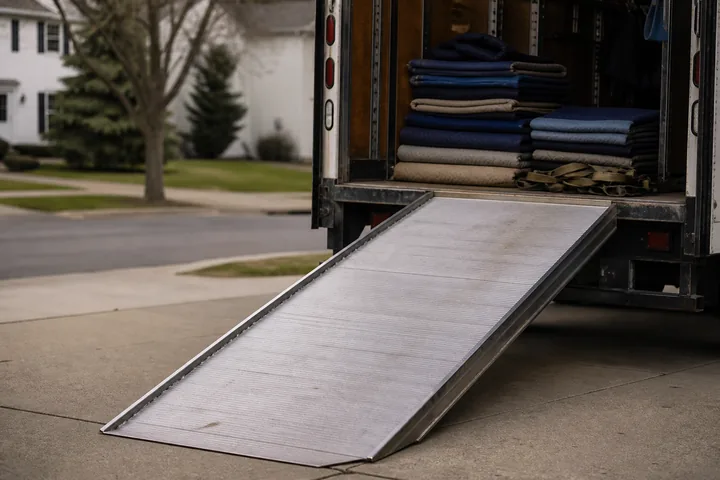
A PCS is a funded reassignment to a new duty station. For most service members it happens every two to four years, and it is the single most disruptive routine feature of military life for families.
Example. A soldier stationed in Texas receives orders to a unit in Germany. The move (household goods, travel, temporary lodging, the family) is a PCS. A three-week course at another post is not; that is TDY.
What is covered
Orders carry entitlements: shipment of household goods up to a weight allowance by grade, transportation for the member and authorised dependents, temporary lodging expenses at both ends, a dislocation allowance toward the incidental costs of setting up, and per diem for travel.
Where the gaps are
The entitlements are genuine and they do not cover everything. The recurring shortfalls are consistent and predictable:
- the deposit on a new rental, paid before any allowance arrives;
- overlapping rent or mortgage across the transition;
- a second vehicle, if shipment covers only one;
- household goods that do not survive the shipment, where claims take time;
- weeks of temporary lodging beyond the allowance, when housing is not ready.
Families that have moved several times budget for this gap. Families moving for the first time frequently do not, and it is the most common financial shock of a first PCS.
The other systems a move restarts
Schools — records transfer, course placement, graduation requirements and activity eligibility, which an interstate compact exists specifically to smooth. Medical and dental re-registration. A spouse’s employment search in a new labour market, sometimes with a professional licence that does not transfer.
Each of those has a formal mechanism, and each mechanism works considerably better when invoked early than in the last week.
The word “permanent”
It means the assignment is not temporary, not that it lasts. A PCS to a two-year assignment is still a PCS. The term is drawing a distinction with TDY, not making a promise about duration.
The sequence, in the order it happens
Assignment first, orders second, and the gap between them is where most of the uncertainty sits. The member is notified of a pending assignment through the personnel system, often informally before anything is published. Orders are the authorising document, and until they exist nothing can be scheduled: the movement of household goods, travel for dependents, and lodging at either end are all authorised by the orders, not by the assignment.
Once orders are published the move is booked through the local transportation office. House-hunting leave, where it is granted, is taken before the report date rather than counted against it. The report date is the fixed point in the whole process, and in-processing at the new station is what formally closes the move.
Reading a set of orders
Three things on the document matter more than the rest. The report date sets every other deadline. The weight allowance, which is set by grade and dependency status, decides whether the household fits inside the entitlement or has to be reduced. And the specific entitlements listed decide what can be claimed at all, since anything not authorised on the orders is not reimbursable later, whatever the local practice.
Government-arranged and personally procured moves
A move can be arranged by the government, with a contracted carrier packing and shipping the household, or it can be done by the member, who is then reimbursed against the cost the government would otherwise have paid. The first involves less work and less control over dates. The second can leave money in hand if the move is done cheaply, and leaves the member carrying the risk of damage and delay.
Either way the practical advice is the same and it is administrative rather than financial: photograph the contents before they are packed, keep the inventory the carrier produces, and keep receipts for everything claimed. Damage claims are routine and they are decided on documentation, so the family that recorded what it owned is in a substantially better position than the family that did not.
Why the cycle exists at all
The routine reassignment of people every few years is a deliberate feature rather than an administrative accident. It spreads experience across the force, it keeps units from becoming dependent on individuals, and it fills the positions the service needs filled instead of the ones people would choose. The cost of that design is borne almost entirely by families, which is why the entitlements exist and why the gaps in them matter as much as they do.
Questions and answers
How is a PCS different from TDY?
A PCS is a permanent reassignment, you move your household and your duty station changes. TDY is temporary duty away from your station, with your assignment unchanged and different entitlements. The paperwork, the money and the family consequences are entirely different.
How much notice do you get?
Months for the fact of the move, considerably less for the specifics. Report date, housing availability and whether the family travels together frequently firm up late, which is what makes the planning hard and not the move itself.