BAH
BAH: How the Basic Allowance for Housing Is Set and Paid
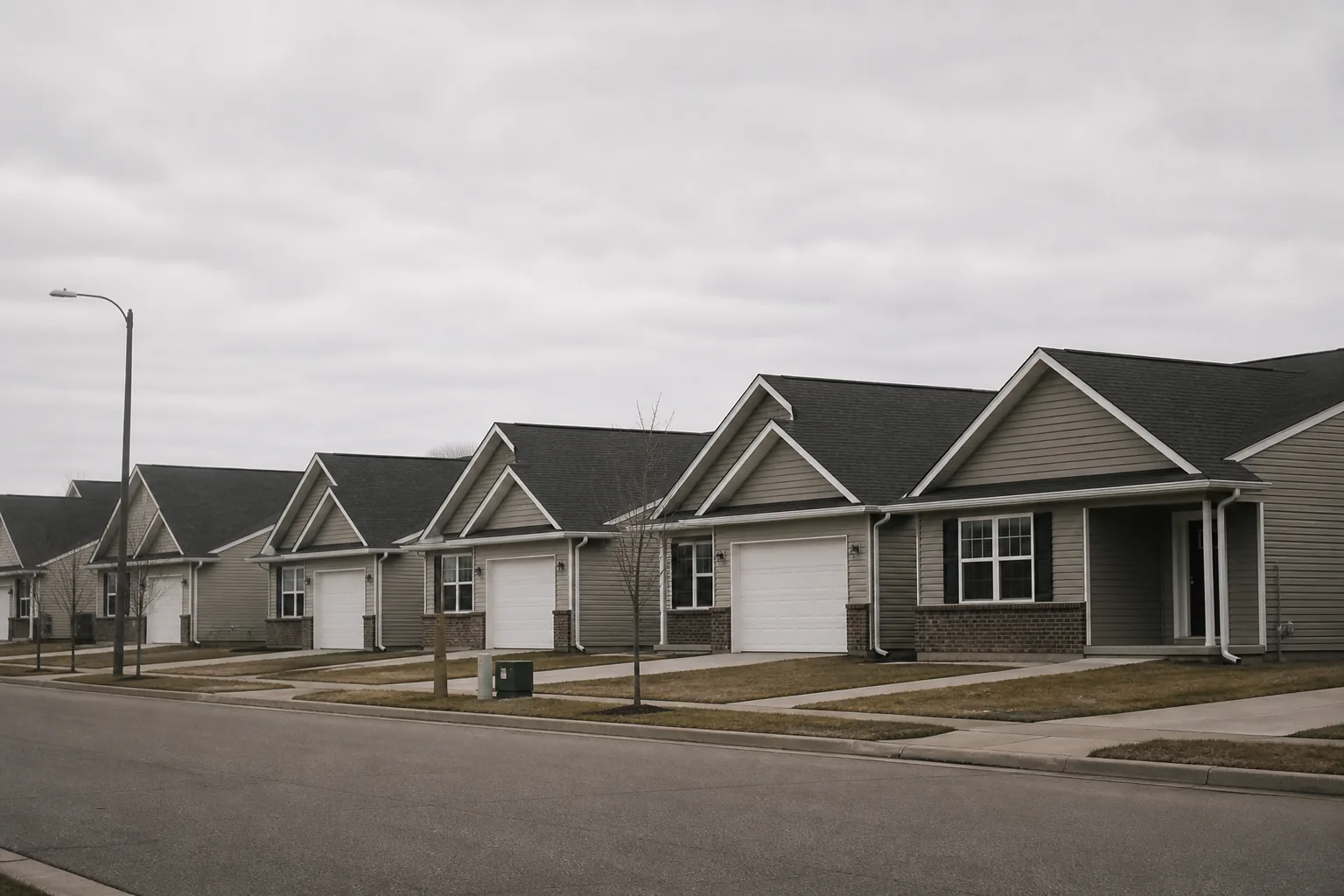
BAH is an untaxed monthly allowance toward housing costs for service members not living in government quarters. Three variables set the amount: duty location, pay grade and whether the member has dependents.
The rates themselves are computed and published annually by the Defense Travel Management Office, part of the Defense Department, from rental-market data for each Military Housing Area, and they take effect on 1 January. A rate a reader finds anywhere else is a copy of that publication.
Example. The same sergeant receives materially different BAH in San Diego and in rural Kansas, because the rate is built from local rental cost data. Moving is therefore a pay change as well as a relocation, in either direction.
Why untaxed matters more than the amount
BAH is not taxable income. That makes each dollar worth noticeably more than a dollar of basic pay, and it means comparing military compensation to a civilian salary requires accounting for it; a total military package is worth more than the pay table alone suggests.
What it does not do
It does not count toward retirement. The pension is calculated on basic pay. This surprises people twice over: take-home pay looks better than the pay table, and the pension looks smaller than take-home pay.
It does not follow actual rent. It is an allowance against typical local costs, not a reimbursement. Find cheaper housing and you keep the difference; choose more expensive housing and you cover it.
It is not paid in government quarters. Living on post in assigned housing normally means the allowance is not paid, with the housing provided instead.
The rate changes annually
Rates are recalculated using current rental market data, so the same member at the same post can see the figure move from one year to the next, up or down. Any published table without a year attached is unreliable, which is why this page gives none.
Where it goes wrong in practice
Two recurring problems, both administrative.
Dependent status changes. Marriage, divorce, a child, a dependent moving out — each affects entitlement, each requires updating, and each produces a debt recovered from future pay if the update is late. Overpayment is recovered whether or not the member noticed.
Moves that cross rate boundaries. BAH changes on the date the entitlement changes, not on the date the family moves. A gap between the two produces a month where the money and the rent do not line up, which is exactly the gap a first PCS budget tends to miss.
How a rate is arrived at
Three inputs and nothing else: the military housing area the duty station sits in, the member’s pay grade, and whether the member has dependents. The housing area rates are rebuilt each year from survey data on local rental costs for housing considered appropriate to each grade, which is why a rate can move sharply in a location where the rental market has moved and stay flat in one where it has not.
The allowance is not a reimbursement. It does not adjust to what the member actually pays. A member who finds cheaper housing keeps the difference, and one who chooses something more expensive pays it, which is the deliberate design of the whole thing.
Rate protection
A member already receiving the allowance at a location does not lose money when that location’s rate is reduced. The rate in payment is protected as long as the member remains eligible at the same location without a change in status, so a downward revision affects new arrivals instead of people already there.
The protection ends on a change of station, a change of grade, or a change in dependency status, because each of those recomputes the entitlement from the current tables.
The variants
Members in government quarters, typically single members in barracks, do not receive the full allowance. A partial amount exists for that situation. Overseas, the allowance is replaced by a different mechanism that reimburses actual rent up to a ceiling, because overseas rental markets cannot be surveyed on the same basis.
Dual-military couples and members with custody arrangements are the two situations where entitlement questions arise most often, and both are decided on documented status, not on household arrangement. This is the recurring administrative failure: a marriage, a divorce, a birth or a dependent moving out each changes the entitlement, each requires the record to be updated, and an allowance paid at the wrong rate is recovered afterwards.
Questions and answers
Does BAH count toward retirement?
No. The retirement calculation uses basic pay only. Because BAH is untaxed and can be a substantial share of monthly income, this means a pension is smaller relative to take-home pay than people expect, one of the more common financial surprises at retirement.
Do you keep the difference if your rent is lower?
Yes. BAH is paid as an allowance, not a reimbursement, so a member who finds cheaper housing keeps the difference and one who chooses more expensive housing pays it. That is deliberate, and it is why the allowance is described as covering a portion of typical costs instead of actual rent.