Drones
The MQ-9 Reaper: Endurance, Not Autonomy, Is the Capability
Large armed drones are usually discussed in terms of what is absent, a pilot in the aircraft. That is the least interesting thing about them. What changed operations was endurance: a platform that can watch one place for most of a day and be relieved by another, indefinitely.
Persistence is a different capability
A fast aircraft passes over a location and produces a snapshot. An aircraft that can remain overhead for most of a day produces something categorically different: a record of what happens at that place, an understanding of what normal looks like there, and presence at the moment something changes.
Stack several such aircraft in rotation and the coverage becomes continuous. That is the capability, and it did not exist at any affordable cost before.
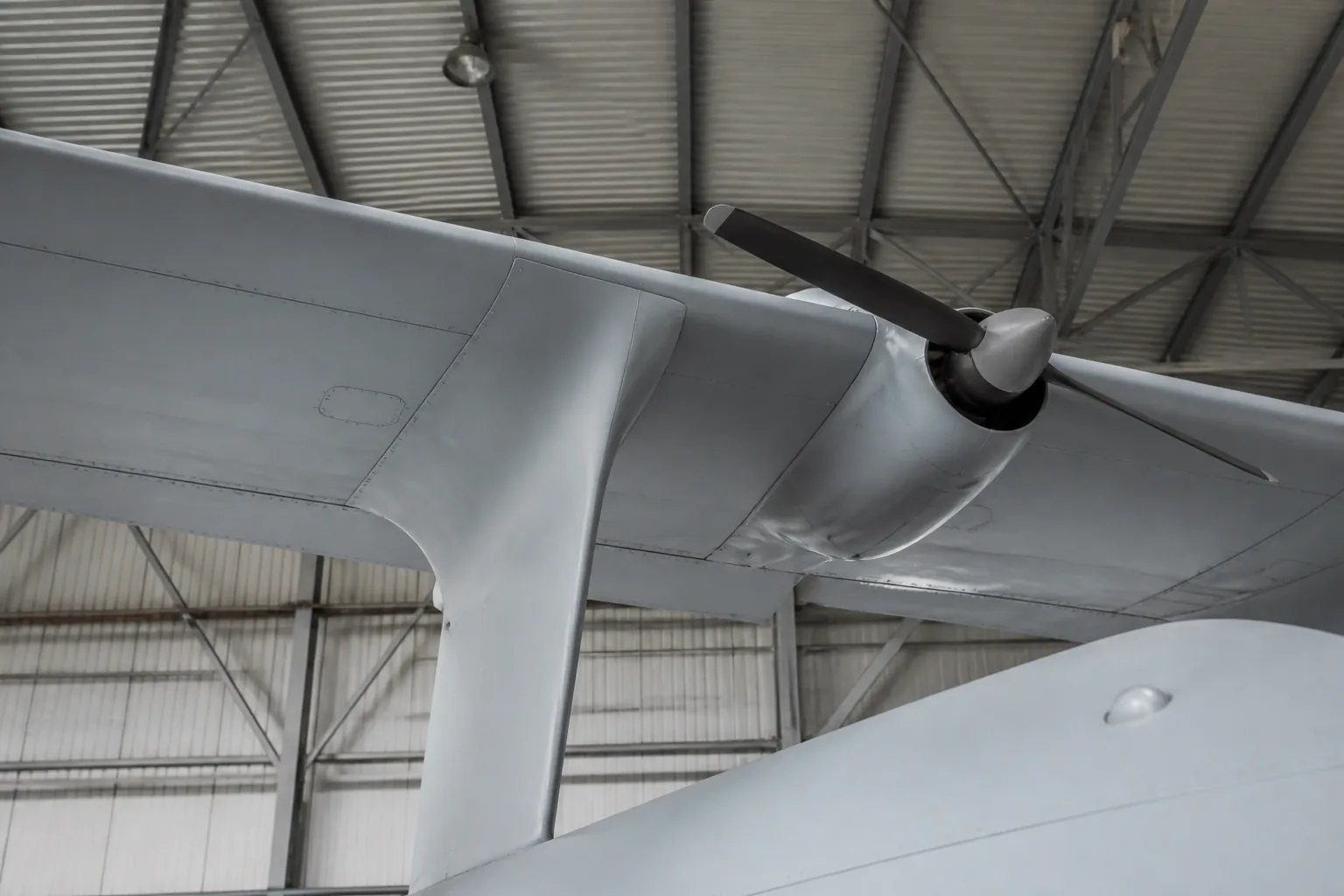
Every design decision serves it. The airframe is slow, with a long wing for efficiency at altitude, no armour, no defensive systems and no supersonic capability. All of that is weight and drag that would reduce time aloft.
The ground station is part of the aircraft
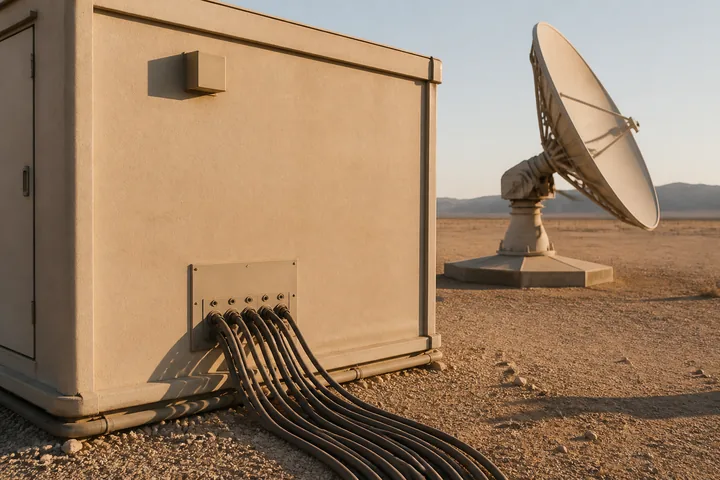
The system is not the airframe. It is the airframe, a satellite communications link, a ground control station that may be on another continent, and the crews and analysts who operate it.
That has three consequences worth stating plainly.
The link is a vulnerability. Jamming, interference or loss of satellite bandwidth degrades or removes control. Automation covers a gap (the aircraft can hold or return), but the mission stops.
The manning requirement is larger than for a manned aircraft, which is the least intuitive fact about unmanned aviation. A continuous orbit needs multiple crews in shifts, sensor operators, intelligence analysts to exploit what is collected, and maintainers. The airframe is cheap; the operation is not.
And it relocates the crew and not removing them. Operators fly combat missions and go home at the end of a shift, and the psychological consequences of that pattern are documented and are not what anyone expected before it was tried.
The precondition
The aircraft has been used extensively in airspace nobody contested, and that is a precondition rather than an incidental circumstance.
Against a capable air defence it is slow, undefended and dependent on a link that can be attacked. The question of what role this class of aircraft has in a conflict against a peer opponent is genuinely open, and the answers being pursued: greater autonomy so a jammed link matters less, stealthier airframes, cheaper and more numerous aircraft accepting losses — all move away from the design that made the current generation useful.
What it changed
Two things, and both are broader than the aircraft.
Persistent surveillance became an expectation rather than a scarce resource, which changed how ground commanders plan and what they consider knowable.
And the ability to observe and strike with the same platform compressed the interval between finding something and acting on it, which raised a set of questions about accountability, verification and the standard of confidence required before a decision. Those questions belong to the policy instead of to the airframe, and the airframe is what made them urgent.
Endurance is the capability and also the constraint. An aircraft that can stay up for most of a day needs crews to rotate through it, a satellite link to keep, and somewhere for the take-off and landing element to sit within range of the runway. The airframe is the cheap part of that arrangement, which is why the number of aircraft says much less about capacity than the number of orbits that can be kept filled. Crew supply, not airframe supply, is the limit that actually binds.
Questions and answers
Is it autonomous?
No. It is remotely piloted, with a crew flying it from a ground control station and automation handling stabilisation, navigation between waypoints and some landing functions. Weapons release requires a human decision. The distinction between remotely piloted and autonomous is consistently blurred in coverage and it matters, because the accountability structure depends entirely on which one is being described.
Why does endurance matter more than speed?
Because the mission is watching. A fast aircraft passes over a location; an aircraft that can stay for most of a day observes what happens there, establishes what is normal, and is present when something changes. That persistence is the capability, and it is why the airframe is slow, long-winged and unarmoured, every design choice serves time aloft.
How survivable is it?
Not very, against any competent air defence. It is slow, has no meaningful defensive systems and depends on a satellite link that can be jammed or interfered with. It has been used extensively in airspace where nobody contests it, and that condition is a precondition instead of a detail, which is the central question about its role in a conflict against a capable opponent.
How many people does it take to operate?
Considerably more than an aircraft with a pilot aboard, which is the least intuitive fact about unmanned aviation. A continuous orbit requires multiple crews working in shifts, sensor operators, intelligence analysts to exploit what is collected, maintenance personnel and a communications chain. The airframe is cheap relative to a manned aircraft; the operation around it is not.