MOS 68W
68W Combat Medic Specialist: Duties, Training and Civilian Value
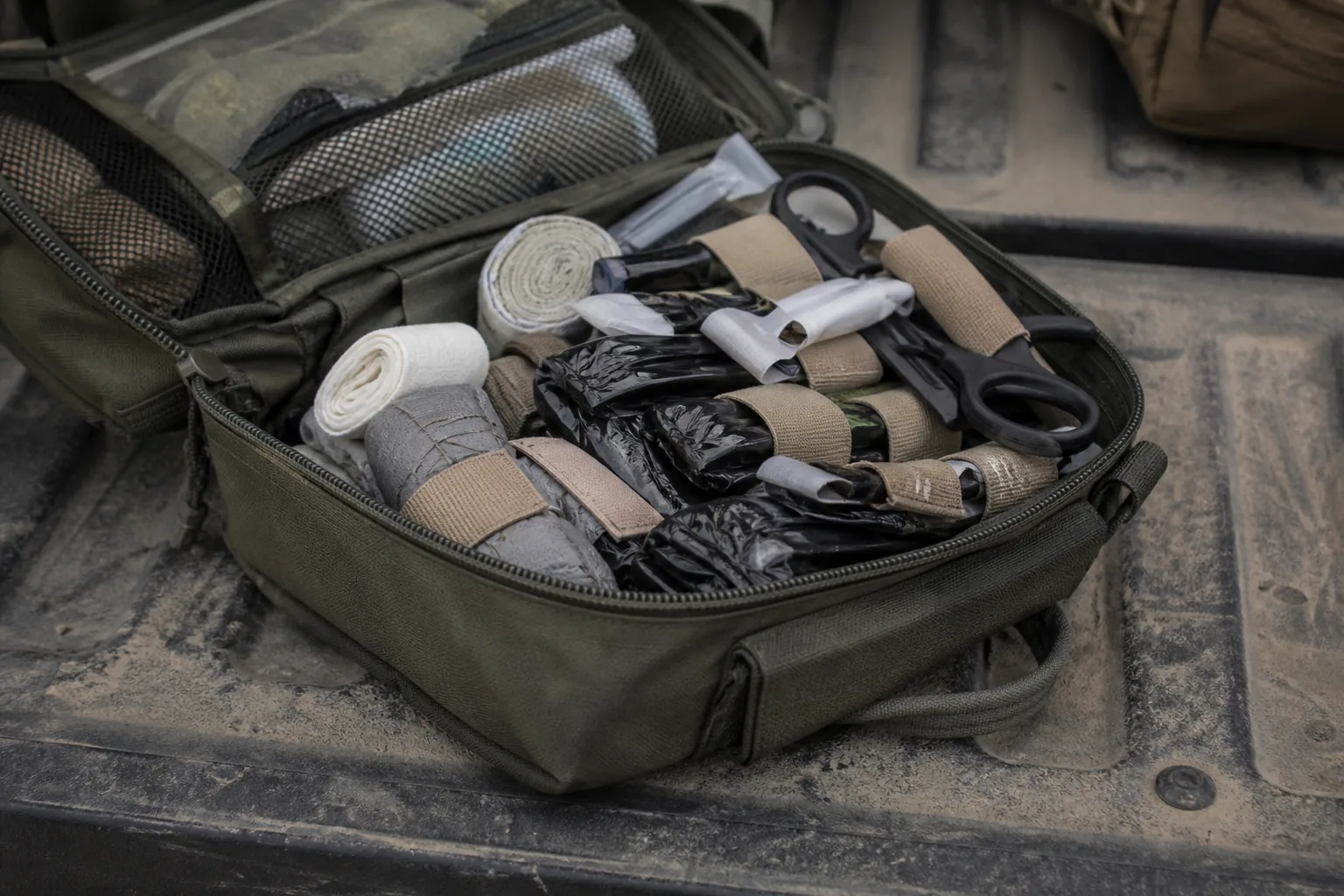
The 68W treats casualties at the point of injury: in a vehicle, in a building, in the open, with what is carried and under whatever conditions exist. It is one of the Army’s most demanding enlisted specialties and, by a clear margin, the one that converts most directly into civilian employment.
What the work is
In a line unit the medic is attached to a company or platoon, moves with it, and is responsible for the health of its soldiers continuously, not only in a fight. A large share of the work is routine: sick call, preventive medicine, hydration and heat-injury management, foot care, documentation, and making sure the unit’s medical equipment and training are current.
When there are casualties, the work is triage and treatment under time pressure, with limited supplies, followed by preparing and coordinating evacuation. The clinical scope is deliberately narrow and deep: control catastrophic bleeding, manage the airway, treat chest injuries, prevent shock, manage pain, and keep the casualty alive long enough to reach surgical care.
Tactical combat casualty care
The framework governing this reorders civilian priorities, and understanding why is the key to understanding the specialty.
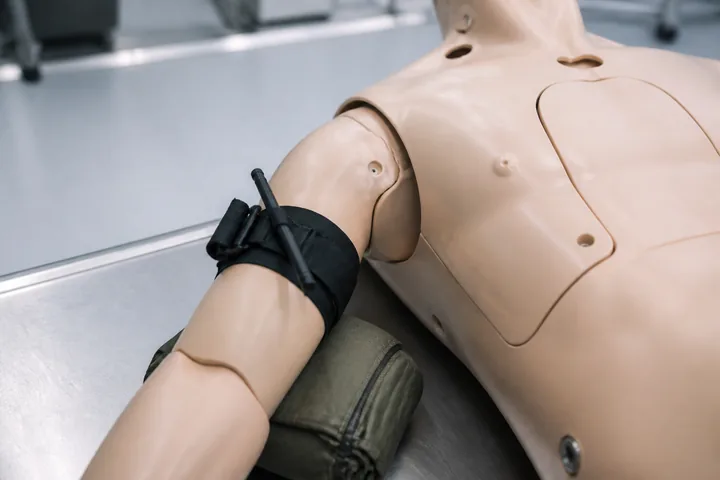
Care under fire. While the element is taking effective fire, the priority is suppressing it and moving the casualty to cover. Treatment is limited to what stops immediate death: a tourniquet, essentially. Stopping to work on someone in the open produces two casualties.
Tactical field care. Once out of effective fire, a fuller assessment and treatment.
Tactical evacuation care. Continued treatment during movement to a facility.
The logic is that the tactical situation is part of the clinical picture. This is the single largest difference from civilian emergency medicine and it is what the training is really teaching.
Training and the certification
Basic combat training is followed by advanced individual training at the Army’s medical training centre in Texas. The course includes national emergency medical technician certification (a genuine civilian credential) plus the military-specific trauma content and the field skills the role needs.
The credential is the reason this specialty is worth singling out. Most Army training produces competence that has to be translated for a civilian employer. This produces a card a civilian employer already recognises.
Where the career goes
Medics advance into senior medic roles at platoon and company level, then into supervisory positions running a battalion’s medical section and training junior medics. Specialisation is available in several directions: flight medic, practical nursing, respiratory or laboratory specialties, and preventive medicine, each with its own additional training.
The two most common longer routes are the Army’s practical nursing programme and, for those who continue in medicine, physician assistant training — prior 68W service is common among Army PAs and the specialty is a recognised feeder.
What it is worth afterwards
The most direct civilian path of any Army enlisted specialty. Paramedic and EMT roles build on the certification. Emergency department and patient care technician roles recruit from it. Nursing programmes treat the experience as substantial. And the trauma exposure is genuinely relevant to emergency medicine in a way that classroom training is not.
The honest caution is that civilian emergency medicine is a different job: more regulation, more documentation, more scope limitation, and no authority to improvise the way a medic in the field sometimes must.
Civilian work this leads to
- Paramedic and EMT roles, building on the certification earned in training
- Emergency department technician and patient care technician
- Nursing, with the specialty as a strong prerequisite base
- Physician assistant programmes, for which prior 68W service is common
Questions and answers
Do you leave training with a civilian certification?
Yes: 68W training includes national emergency medical technician certification, which is a recognised civilian credential. That is unusual among Army specialties and is the main reason this one transfers so directly.
What is tactical combat casualty care?
The framework the Army uses for treating casualties in a fight, which reorders civilian priorities around the tactical situation. Under effective enemy fire the priority is suppressing that fire and moving the casualty, not treating them, because treating someone in the open gets both people hit. Care is staged: care under fire, tactical field care, then evacuation care.
Does a medic carry a weapon and fight?
Yes. A combat medic is a soldier first and is expected to fight, provide security and move as part of the element. The medical role is additional, not instead.
Where do 68Ws serve?
Everywhere. Line units at company and battalion level, treatment teams, aid stations, hospitals, evacuation platoons and flight medic roles. The setting varies enormously, the same code covers a medic patrolling with an infantry platoon and one working in a fixed facility.
What is the hardest part of the job?
Consistently reported as the psychological weight instead of the clinical difficulty: treating people you know, making triage decisions with insufficient resources, and being the person a unit turns to when something has gone badly wrong. The clinical skills are teachable; carrying that is the part the training cannot fully prepare anyone for.