MOS 19K
19K M1 Armor Crewman: Duties, Training and the Four Crew Roles
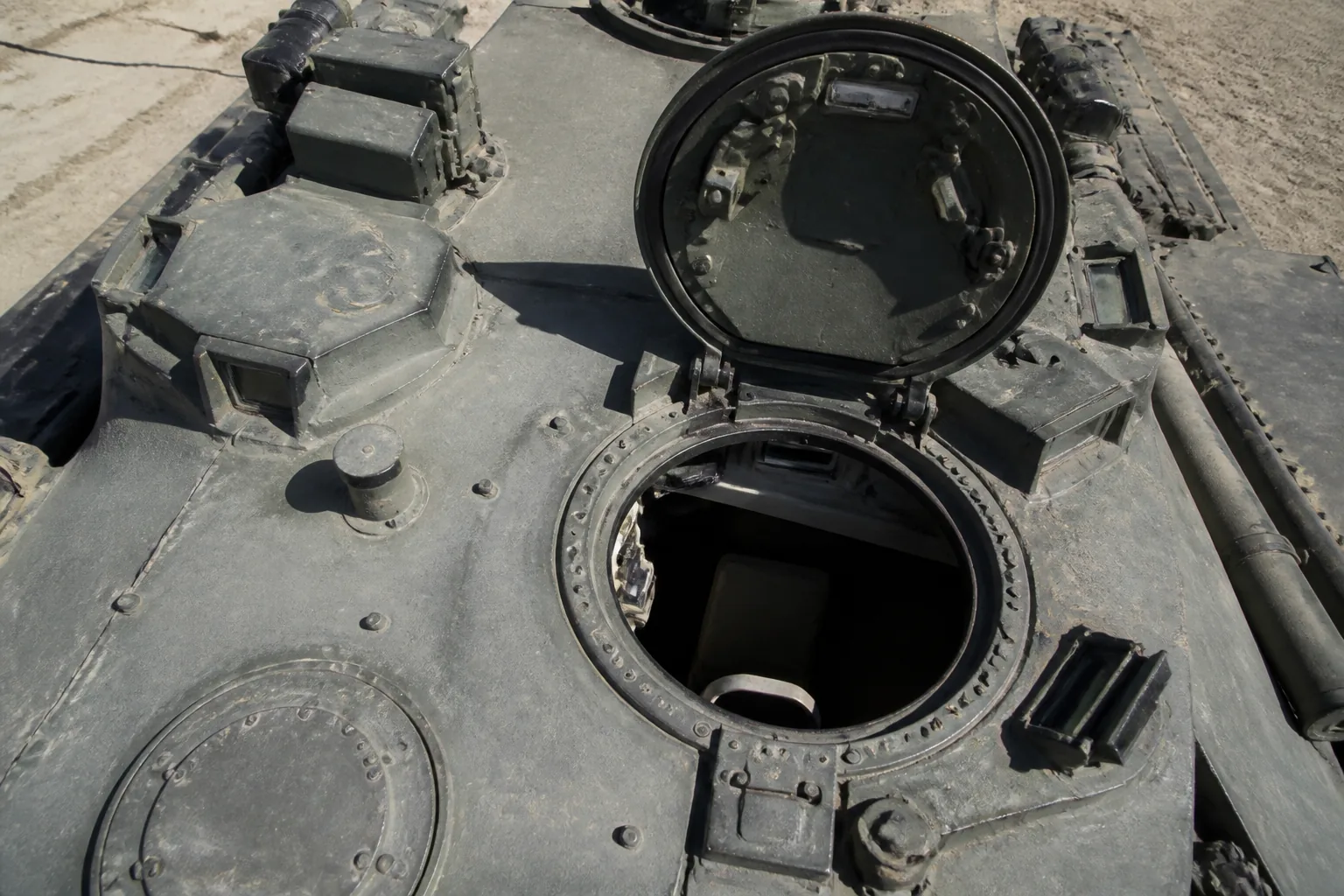
The 19K crews the Army’s main battle tank. The important thing to understand about the specialty is that the unit of work is not the soldier but the crew: four people with distinct jobs whose performance is measured together, because a tank with an excellent gunner and a poor driver is a poor tank.
The four positions
Driver. Operates the vehicle, which at sixty-plus tonnes across broken ground is a genuine skill, and carries the largest share of maintenance responsibility for the hull and running gear.
Loader. Loads the main gun, operates a machine gun, assists with maintenance, and is normally where a new crewman starts.
Gunner. Operates the fire-control system and engages targets. This is the technical heart of the crew and the position where crew gunnery scores are won or lost.
Tank commander. A noncommissioned officer who commands the vehicle, fights it, navigates, communicates with the platoon and is accountable for the crew and the maintenance state.
Progression normally runs loader or driver, then gunner, then tank commander with rank and experience.
Gunnery
Crew gunnery qualification is the specialty’s central professional event. Crews are scored on engagements under time pressure, day and night, stationary and moving, and the score is a crew score. It determines whether a crew is certified to fight and it carries considerable professional weight.
The skill being tested is not marksmanship in the rifle sense. It is the coordinated sequence (detect, identify, lay the gun, engage, assess) executed correctly and quickly by four people using a complex fire-control system, with the commander deciding priorities and the gunner executing.
Maintenance is the actual job
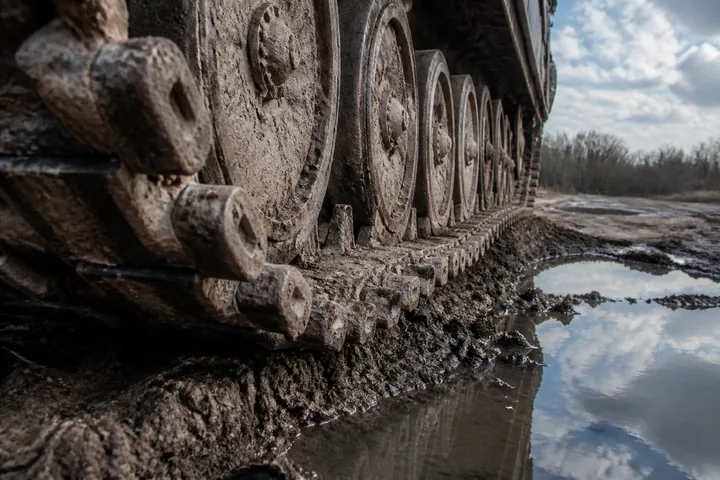
A tank is a large machine that destroys itself slowly while operating. Tracks wear. Turbine engines need air filtration in dust that clogs it. The fire-control system is precision electronics in a vibrating, filthy environment. Preventive maintenance checks and services are daily, extensive and non-negotiable.
Crews therefore spend substantially more time maintaining than firing, and the correlation between maintenance discipline and gunnery results is direct: a vehicle that is not maintained is not available to train on.
Training
Like infantry, armour uses One Station Unit Training — basic combat training and job training combined into one longer course at a single location. New crewmen learn all four positions to a basic standard before specialising.
Where the career goes
Through gunner and tank commander to platoon sergeant and beyond, with the same shift from technical execution to responsibility for people and equipment readiness. Master gunner is the specialty’s technical apex: a qualification held by the noncommissioned officer responsible for a unit’s gunnery training and standards, and one of the more respected credentials in the branch.
Lateral routes include drill sergeant, instructor duty at the armour school, reclassification into maintenance specialties, and commissioning.
What it is worth afterwards
The mechanical and systems competence, not the tactics. Heavy equipment operation and maintenance, diesel and turbine work, industrial maintenance and fleet management all recruit from it, and the habit of documented preventive maintenance is a genuine professional asset in any plant or fleet environment.
The specialty also produces people accustomed to working in a small interdependent team where one person’s neglect is everyone’s problem, which is harder to teach than any technical skill.
Crew positions rotate, and the rotation is the training. A loader learns the gunner’s job by watching it from two feet away for a year, which is why a crew that has been together through a rotation is a different instrument from four qualified individuals assembled last week.
Civilian work this leads to
- Heavy equipment operation and maintenance
- Diesel and turbine mechanics
- Industrial maintenance and plant operations
- Logistics and fleet management
Questions and answers
What are the four crew positions?
Driver, loader, gunner and tank commander. A new 19K normally starts as a loader or driver and progresses to gunner and eventually tank commander with experience and rank. Each position has distinct skills, and the crew trains as a unit because that is how it fights.
How much of the job is maintenance?
Most of it. A tank is a large machine with a turbine engine, a complex fire-control system and tracks that consume themselves, and it requires continuous preventive maintenance. Crews spend far more hours maintaining than shooting, and a crew that neglects it does not get to shoot.
Is 19K the same as 19D?
No. 19D is Cavalry Scout: reconnaissance, in lighter vehicles or dismounted, whose job is to find the enemy and report and not to destroy them with direct fire. Same career field, different role and different vehicles.
Are tank crews obsolete given drone losses?
The claim recurs after every conflict in which tanks burn. What recent fighting has shown is that armour operating without infantry, engineers, air defence and drone screening is easy to kill, which was already doctrine. The vehicle that survives is inside a combined-arms formation; the one that burns is usually the one that was alone or in a column.
What transfers to civilian work?
Heavy equipment operation and maintenance, diesel and turbine mechanics, and industrial maintenance. The gunnery and tactics do not transfer; the mechanical competence, systems troubleshooting and habit of preventive maintenance do, and they are in demand.