MOS 11B
11B Infantryman: Duties, Training and What the Job Really Demands
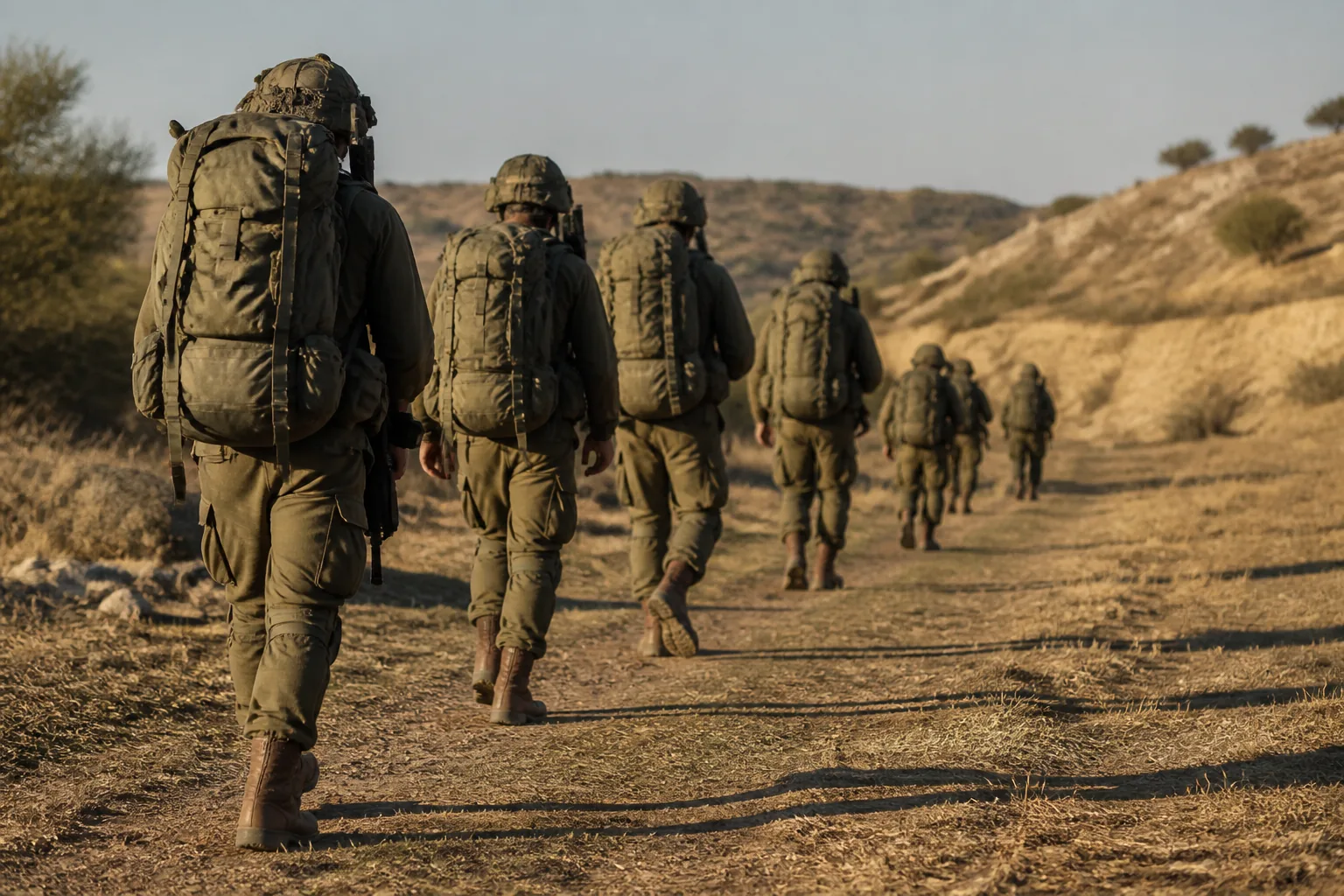
The 11B is the Army’s rifleman: the soldier whose job is to close with the enemy on the ground and hold ground once taken. Almost every other specialty in the Army exists, directly or indirectly, to enable this one to do that, which is worth stating plainly because it explains the institution’s structure.
What the work is
At team and squad level the work is movement, observation and fighting on foot: patrolling, occupying positions, clearing buildings and terrain, providing security, and applying direct fire. It is done in teams of four and squads of nine, and the tactical decisions that matter most are made by sergeants as opposed to by officers.
Between contacts, the work is preparation and maintenance: weapons, equipment, communications, rehearsals, and the physical conditioning the job assumes. The ratio of preparation to fighting is heavily weighted toward preparation, and units that neglect it are the ones that suffer when the ratio changes.
One Station Unit Training
Infantry does not follow the usual two-stage pipeline. Basic combat training and job training are combined into a single longer course at one location, with the same cadre from arrival to graduation. The reasoning is that infantry skills and basic soldiering are the same subject, taught better continuously than in two parts by different instructors.
The practical effect for a recruit is a longer initial commitment in one place, and a unit-like cohesion in the training platoon that the two-stage pipeline does not produce.
The physical reality
This is the part worth being honest about, because recruiting material tends not to be.
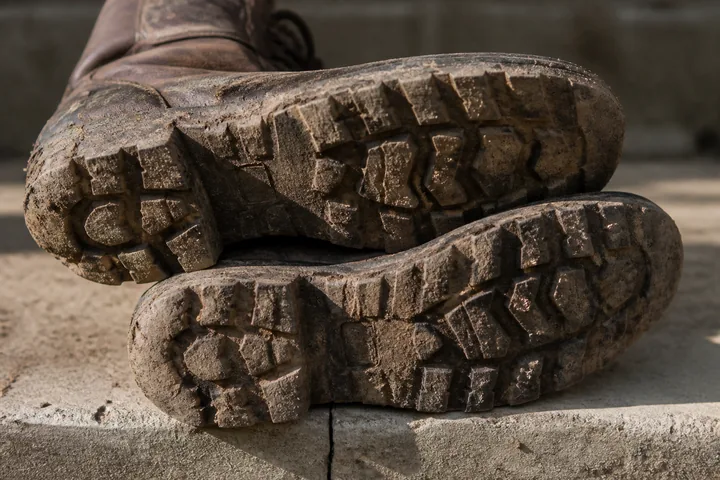
The load is the issue. Body armour, helmet, weapon, ammunition, water, batteries, night vision, and mission-specific equipment produce a carried weight that is substantial before anything personal is added, and the job involves moving that weight over distance, repeatedly, in heat, cold and darkness.
The cumulative effect on knees, hips, backs and shoulders is documented and is the specialty’s principal long-term health consequence. It is not a reason not to do the job; it is a reason to take conditioning, load discipline and medical documentation seriously from the first year and not the tenth.
Where the career goes
Advancement runs through team leader, squad leader, platoon sergeant and first sergeant, a progression in which the technical work steadily gives way to responsibility for people. An infantry squad leader in their early twenties is making consequential decisions about other people’s safety, which is the specialty’s real training product.
Routes out of the line include Ranger School, the 75th Ranger Regiment, Special Forces selection, drill sergeant and instructor duty, and reclassification into another field. Officer commissioning through a green-to-gold programme is a common path for soldiers who want to stay in the branch and command it.
What it is worth afterwards
Not a certificate. Leadership, judgement under pressure, and demonstrated reliability — which are genuinely valuable and require translation, because a résumé line saying “infantry squad leader” does not explain itself to a civilian hiring manager.
Law enforcement, federal agencies, emergency services and protective work recruit heavily from the specialty. So do trades and logistics roles, for the less glamorous reason that the Army has already demonstrated the person turns up and does the work.
The physical demands are the part recruits anticipate and the cognitive load is the part they do not: an infantryman is expected to absorb and act on information continuously while tired.
Civilian work this leads to
- Law enforcement and federal agencies
- Emergency services and fire service
- Security and protective operations
- Trades and logistics roles that reward reliability under pressure
Questions and answers
Is 11B trained differently from other specialties?
Yes. Infantry uses One Station Unit Training, in which basic combat training and job training are combined into a single longer course at one location with the same cadre throughout as opposed to basic training at one post followed by advanced individual training at another.
What is the actual physical demand?
Carrying weight over distance, repeatedly, in bad conditions. Body armour, weapon, ammunition, water, radio batteries and mission equipment add up to a load that is heavy before anything personal is added. The cumulative cost to knees, backs and hips is well documented and is the specialty's main long-term health consequence.
How does 11B differ from 11C?
11C is the indirect-fire infantryman: the mortar crews. Same career field, same training pipeline start, different weapon system and a different tactical role: 11C provides the infantry's own indirect fire as opposed to closing with the enemy directly.
What transfers to civilian work?
Leadership, decision-making under stress and reliability, more than any technical skill. A 22-year-old infantry squad leader has led people in conditions no civilian job replicates, and employers who understand that value it. The specialty does not hand over a certificate the way a medical or IT field does, which is why the transition takes more deliberate translation.
Can you go to Ranger School or Special Forces from 11B?
Yes, and infantry is the most common route into both. Ranger School is a leadership course open across the Army; the 75th Ranger Regiment and Special Forces are separate selections. None is automatic and all have high attrition.