Wars
The Afghanistan War: Twenty Years and the Geography
The Afghanistan war ran for two decades, longer than any other American conflict, and almost every difficulty in it can be traced to two facts that were true before it started and remained true throughout: the country is mountainous, landlocked and organised around local instead of central authority, and the opposing organisation had sanctuary across a border that could not be closed.
The opening campaign, and what it actually did
The campaign of late 2001 removed the Taliban government within weeks using very few ground troops. The method was air power and small special operations elements working with local forces who provided the infantry, and by the standards of the objective it was highly efficient.
What it did not do was destroy the organisations being fought, the Taliban and al-Qaeda. Much of it withdrew across the eastern border into territory where pursuit was not available, and remained organised. A campaign that removes a government without defeating its armed movement has changed who holds the capital, not the balance of force in the country — and the following twenty years were spent discovering the difference.
Geography as the governing constraint
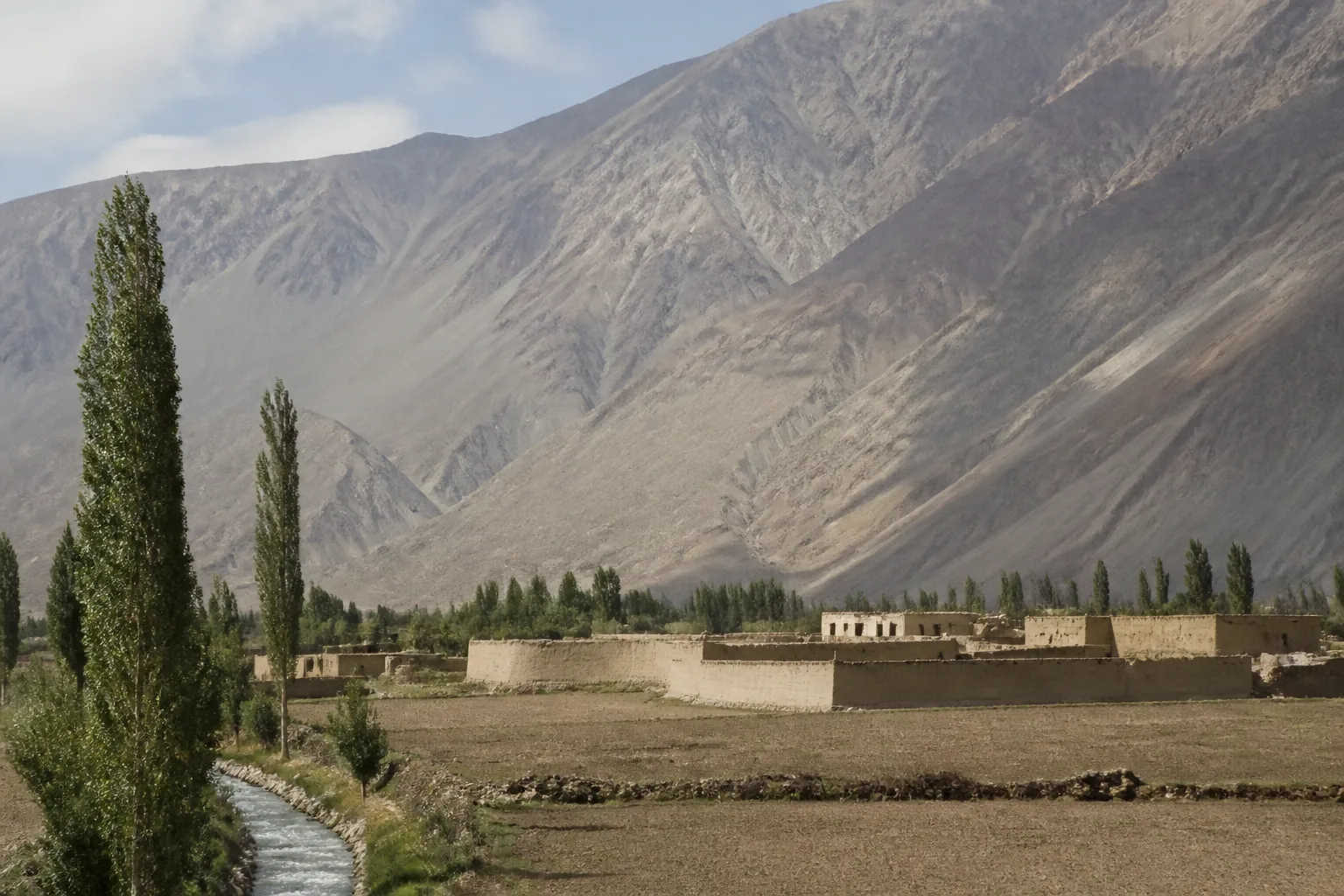
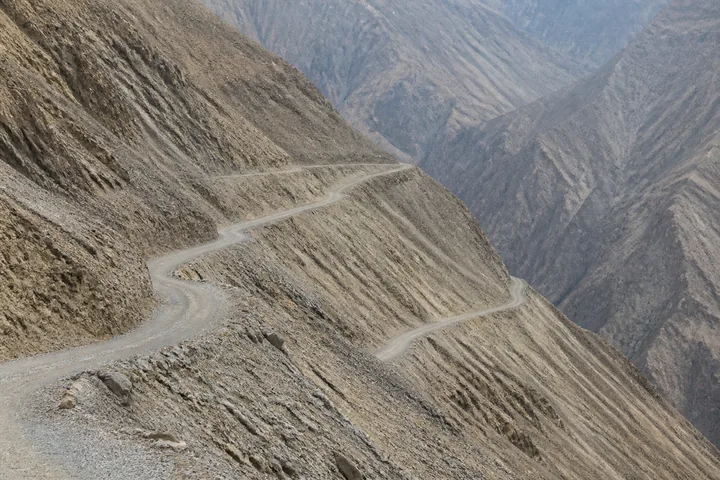
Presence has to be established valley by valley. Combat Outpost Keating in Nuristan, attacked on 3 October 2009 at a cost of eight American soldiers killed, is the case most often cited: it sat low in a valley, overlooked by high ground on every side. Mountain valleys typically have one usable route and no lateral connection to the next. A force that secures one valley is not thereby closer to securing its neighbour, so control scales with the number of valleys held as opposed to with the amount of territory nominally under authority. No force deployed was large enough to hold them all simultaneously, which meant continuous choices about which to leave.
The south shows the pattern most clearly. In Helmand and Kandahar provinces British and Canadian forces from 2006, and US Marines from 2008, fought for the same districts across several rotations, because a district cleared and then left did not stay cleared.
Supply is a diplomatic problem. A landlocked country is supplied across other states’ territory or by air. Ground routes were long, ran through territory where they could be interdicted, and depended on agreements that were periodically renegotiated. Air supply was reliable and expensive, and it set a hard limit on how much could be sustained where.
Altitude taxes aviation. Helicopters were indispensable for movement, resupply and medical evacuation, and high-altitude operation reduces the load they can lift while raising maintenance demands. The aircraft that made the war possible were the ones most constrained by where it was fought.
The border could not be sealed. This is the single most consequential fact. A movement with sanctuary can decline engagement, recover, and return on its own schedule. Every campaign against an opponent with a usable sanctuary faces the same structural problem, and it is not soluble by tactical excellence.
Building an army that depended on someone else’s systems
The central line of effort in the second half of the war was creating Afghan security forces capable of holding the country. Considerable numbers were trained and equipped.
The difficulty was in the enablers. Close air support, medical evacuation, intelligence, logistics, maintenance and higher-level planning were substantially provided by the international force. Units that appeared complete were dependent on systems they did not own, and the dependency was not visible in unit counts.
Removing those enablers removed the basis on which the force operated. That is the mechanism behind the speed of the 2021 collapse: not primarily an absence of soldiers, but the withdrawal of the infrastructure the soldiers had been built to operate inside.
What is settled and what is not
Settled: the tactical and operational performance of the force was high; special operations, aviation, intelligence fusion and medical evacuation reached standards that saved a great many lives; and the strategic objective was not achieved.
Not settled: whether a different approach would have produced a different outcome. The serious positions are that the objective was achievable with a sustained and differently structured effort, and that a centralised state of the form being built was not achievable at any acceptable cost in a country that had not sustained one. Both are argued by people with direct experience, and the disagreement is not a matter of insufficient information.
Questions and answers
Why did the initial campaign succeed so fast and hold so little?
Because it was fought as air power and special operations in support of existing local forces who did the ground fighting, which is an efficient way to remove a government and a poor way to establish one. The organisation being fought withdrew and not being destroyed, largely across a border that could not be sealed, and returned when conditions allowed.
What made the terrain so consequential?
Elevation, distance and the absence of alternative routes. Mountain valleys with one road each mean presence has to be established valley by valley, and a force sized to hold one is not available to hold the next. Supply into a landlocked country crossed other states' territory, which made logistics a diplomatic problem as much as a military one. Helicopters became indispensable and are expensive to operate at altitude.
Why did building an Afghan army not work as intended?
The force that was built depended on enablers it did not own: air support, medical evacuation, intelligence, maintenance and logistics were largely provided by the international force. Removing those left units that looked complete on paper without the systems that made them function, and the loyalty of a national army in a country organised around local networks was never a settled question.
How is the war assessed?
The tactical performance is generally regarded as high and the strategic result as a failure, with the disagreement being about whether a better outcome was available. The two positions that survive scrutiny are that the objective was achievable with a different approach, and that the objective (a centralised state of a form the country had not sustained before) was not achievable at acceptable cost. Both are argued seriously.