Battles
Midway: Intelligence, Timing and Four Carriers
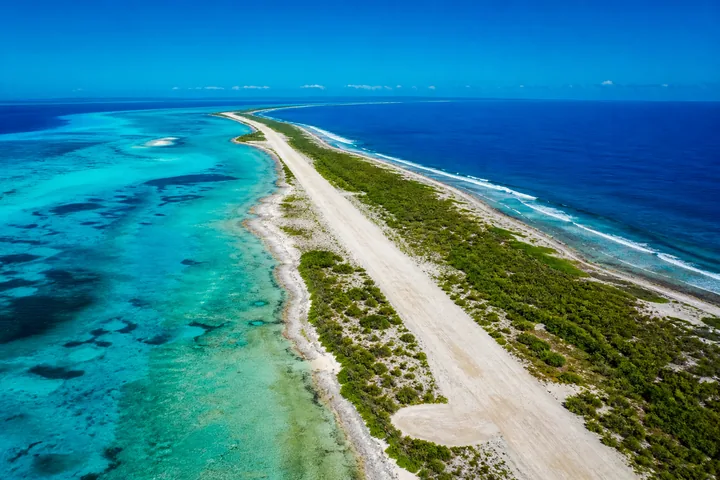
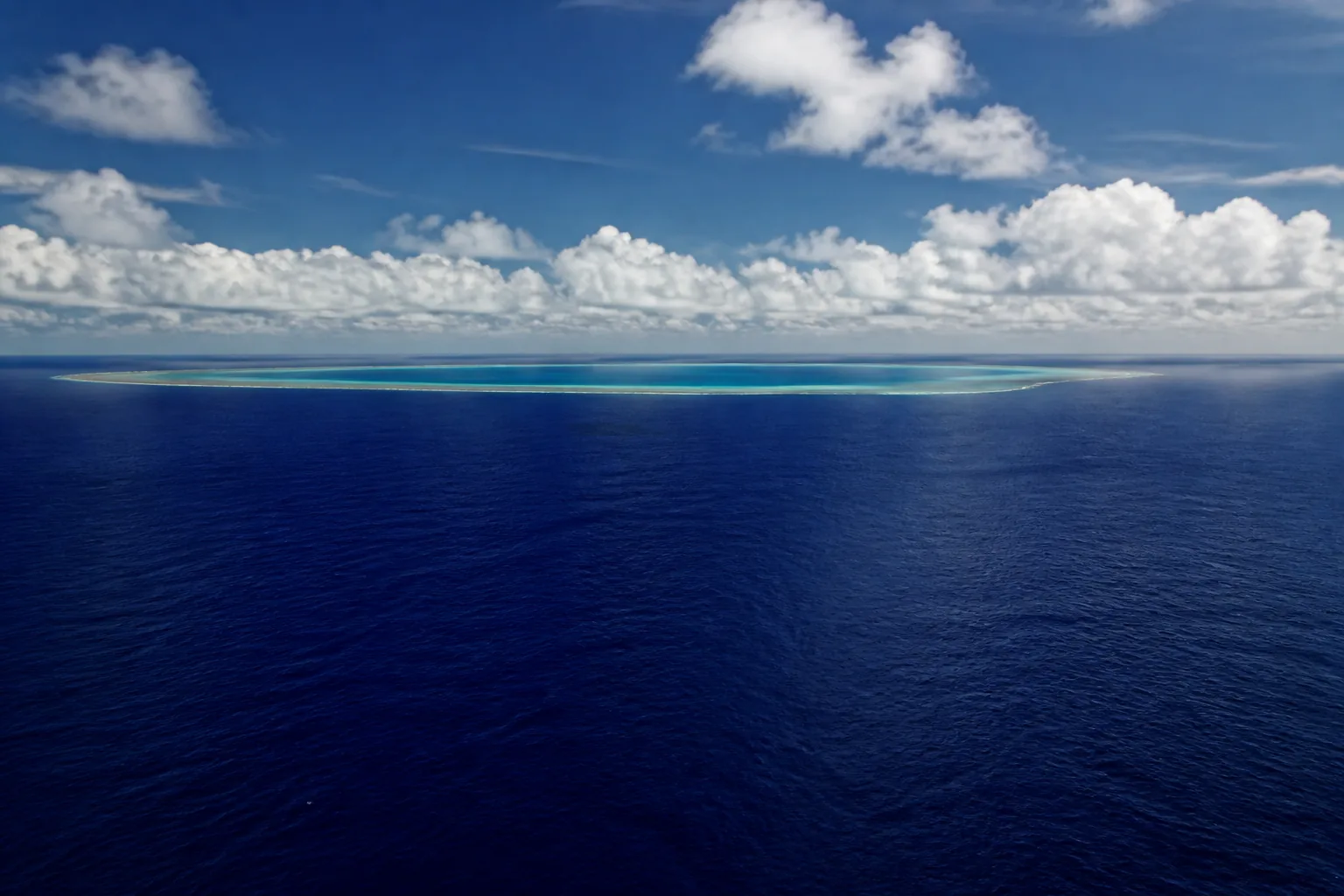
Midway is the most-analysed naval battle of the twentieth century and one of the most misunderstood, because it is usually told as a story of luck. Chance played a part, as it does in every battle. What made chance available was intelligence, and what converted it into a result was the specific state the opposing carriers were in when the decisive attack arrived.
The problem both sides were solving
By mid-1942 the Pacific war had become a carrier war, and carrier warfare has a property that no other naval combat had: the two fleets never see each other. Aircraft do the finding and the striking, at ranges of hundreds of miles. The consequences follow directly.
Finding the enemy first is close to decisive, because a carrier can only launch one full strike at a time and a strike takes hours to recover, refuel and rearm. Being caught during that cycle is catastrophic. And the defender has no way to absorb a strike that arrives at the wrong moment: a carrier is a thin-skinned ship full of fuel and munitions.
So the battle was a race to locate, and the side with better information about where to look held an advantage out of proportion to its strength.
What the intelligence provided
Partial decryption of naval signal traffic indicated the objective and the approximate date. This is the fact on which everything else rests: instead of reacting to a sighting report, the defending carriers were positioned north-east of the atoll before the operation began, in a place the attacking force did not expect them to be.
Two qualifications are worth stating. The intelligence picture was incomplete and parts of it were wrong, so the defending commander was making decisions on a partial and partly mistaken basis. And knowing where the enemy would be does not tell you when your own aircraft will find them, the search and strike problem remained.
What happened, in the terms that mattered
The attacking force struck the atoll first, and its aircraft returned to be refuelled and rearmed. A change in the ordnance to be loaded (from ground-attack to anti-ship weapons) meant munitions were being moved and exchanged on the hangar decks rather than stowed.
Defending strikes arrived in an uncoordinated sequence rather than as a single mass, which is usually described as a failure of coordination and had one consequence that was not a failure: it kept the defending fighters low and committed over several hours.
When dive bombers arrived over the carriers, the ships had aircraft on deck, fuel lines run out and ordnance unstowed. Hits that a prepared ship might have survived started fires among fuel and munitions that could not be contained. Three carriers were lost in minutes; a fourth later the same day. One defending carrier was lost.
Why the result mattered more than the arithmetic
Four fleet carriers is a large loss, and the trained aircrew and maintenance personnel lost with them mattered at least as much. Neither could be replaced at the rate the opposing side was building and training.
The strategic effect was not that the war turned that afternoon — the offensive phase continued for months. It was that the carrier superiority which had offset the industrial imbalance was gone, and from that point the imbalance was decisive. The battle did not win the Pacific war. It removed the only thing that had been keeping the war from being decided by production.
What makes the battle unusual in retrospect is how little of it was visible to the people fighting it. Neither fleet saw the other; the engagement was conducted by aircraft searching an ocean and reporting back, and every decision was taken on information that was hours old and sometimes wrong. The outcome turned on which side’s wrong information happened to matter less, which is a harder lesson to teach than a decisive manoeuvre would be.
Questions and answers
Why is Midway described as a turning point?
Because it removed four fleet carriers from one side in a single day, along with their aircrews and maintenance personnel, at a point when that force could not be replaced at the rate its opponent could build. It did not end the war in the Pacific or even end the offensive phase immediately, but after it the initiative did not return, and the industrial disparity began to tell rather than being offset by superior carrier strength.
How much did codebreaking actually contribute?
It supplied the two things the defence needed and could not otherwise have had: the location and the approximate timing. Partial decryption of naval traffic indicated the target and the date closely enough for the defending carriers to be positioned north-east of the atoll in advance rather than reacting to a sighting. It did not supply a complete picture, and several important details were wrong, but knowing where to be is most of a carrier battle.
What was the significance of the timing of the final strike?
The decisive attack arrived while the opposing carriers had aircraft on deck being refuelled and rearmed after a change of ordnance, with fuel lines run out and munitions not stowed. A carrier in that state is exceptionally vulnerable, and hits that might otherwise have been survivable started fires that could not be contained. Whether the timing was skill or chance is argued; that it was decisive is not.
Did the loss of aircrews matter as much as the loss of ships?
Arguably more, and the point is often underweighted. Experienced naval aviators and the maintenance crews who kept aircraft serviceable took years to train, and the losses at Midway and in the preceding months fell heavily on a cadre that was not being replaced at a comparable rate. Hulls can be rebuilt faster than the people who make them effective.