
MEPS
MEPS: What Happens at a Military Entrance Processing Station
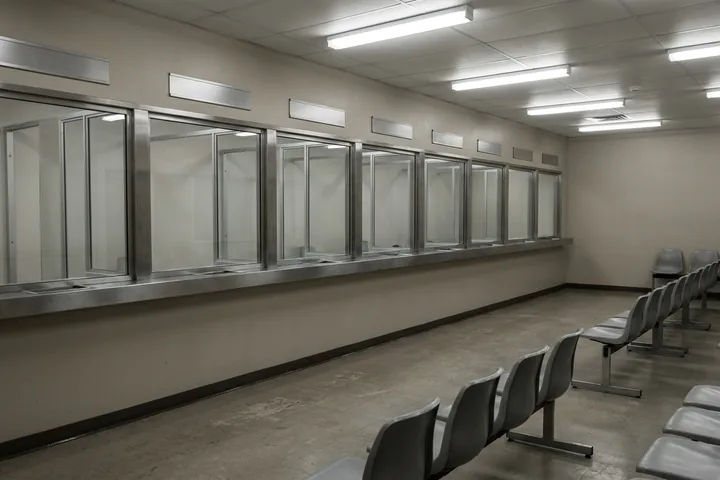
MEPS is the facility where the enlistment process becomes real: medical qualification, final administrative screening, and (for those who qualify) contract negotiation and signing.
It is the stage that ends or stalls more applications than any other, and the reason is almost never fitness.
What happens there
A full physical examination. Vision and hearing testing. Blood and urine screening. An orthopaedic assessment involving a set of movements to check joint function and range. And a detailed medical-history interview, which is the part that matters.
Many applicants also take the ASVAB at MEPS, though it is frequently taken earlier elsewhere.
Why history matters more than condition
The interview covers your documented medical past: conditions treated years ago, medication taken as a child, injuries with an imaging record, mental-health treatment, surgeries. Any of it can trigger review, and a review requires documentation to resolve.
Two practical consequences.
Bring your own records. Applicants who arrive with their medical documentation resolve questions in days. Applicants who do not can wait months while records are requested, or receive a determination made on incomplete information.
Disclose everything. Undisclosed history that surfaces later is a far worse problem than disclosed history. It can end a career after training, not before it, and the concealment itself becomes the issue. Investigators and examiners are looking for candour more than for the underlying condition.
Waivers
Many disqualifying conditions are waiverable. A waiver is requested through your recruiter and decided at a level above them — you cannot obtain one in advance, and no recruiter can promise one.
What you can do is arrive with the documentation that lets the decision be made on complete information.
The other half of the day
For applicants who qualify, MEPS is also where the contract is negotiated and signed: job field, term of service, component, and any enlistment option.
That hour decides the shape of the next several years, and nothing about the room’s tempo reflects it. It is worth arriving knowing which job field you want, which you would accept instead, and that waiting for a later training seat is a legitimate option.
What happens there, in order
Medical screening first and it takes the longest: height and weight, vision and hearing, blood and urine samples, a physical examination, and a review of the medical history the applicant declared in advance. The declared history is the part that decides the day. A condition disclosed on the pre-screening form and documented can be adjudicated. A condition that surfaces at the station without documentation stops the process while records are obtained.
The aptitude test is taken there if it has not been taken already. Job counselling follows, where the specialty is selected from what the applicant qualifies for and what is open. Then the contract and the oath. Applicants either ship to training directly or, far more commonly, enter the Delayed Entry Program and return to ship on a later date.
Waivers
A disqualifying condition is not automatically the end. Many are waiverable, and a waiver is a decision made by the service instead of by the station, against the service’s current recruiting position. The same condition can be waived in one year and not in another, which is why applicants compare notes and reach contradictory conclusions.
What improves the odds is documentation. A resolved condition with a physician’s records showing the resolution is a very different application from the same condition described from memory.
What it is not
It is not basic training, and it is not a test of fitness. Nobody is assessed on push-ups or running at a military entrance processing station. It is an eligibility and contracting process, and the standard being applied is medical and administrative qualification and not performance.
It is also not the recruiter’s decision. The recruiter prepares the application and the station adjudicates it, which is the reason a recruiter can be entirely sincere and still be wrong about the outcome.
Questions and answers
What actually happens at MEPS?
A full physical, vision and hearing testing, blood and urine screening, an orthopaedic assessment involving a set of movements, and a detailed medical-history interview. For many applicants the ASVAB is taken there too. It ends with contract negotiation and signing for those who qualify.
Can you be turned away at MEPS?
Yes, and it is where most applicants who are turned away are turned away, almost always on medical history rather than on fitness. Some determinations are permanent, many require a waiver, and a waiver is requested through the recruiter and decided above them.